
The Heart of the Okanagan Valley with a Rich Past and Strategic Location
Kelowna is one of the most vibrant and well-known cities in British Columbia, Canada. Nestled along the shores of Okanagan Lake, it serves as a cultural, economic, and tourism hub for the region. Beyond its natural beauty, the city has a fascinating history rooted in Indigenous heritage and shaped by waves of settlers and agricultural development.
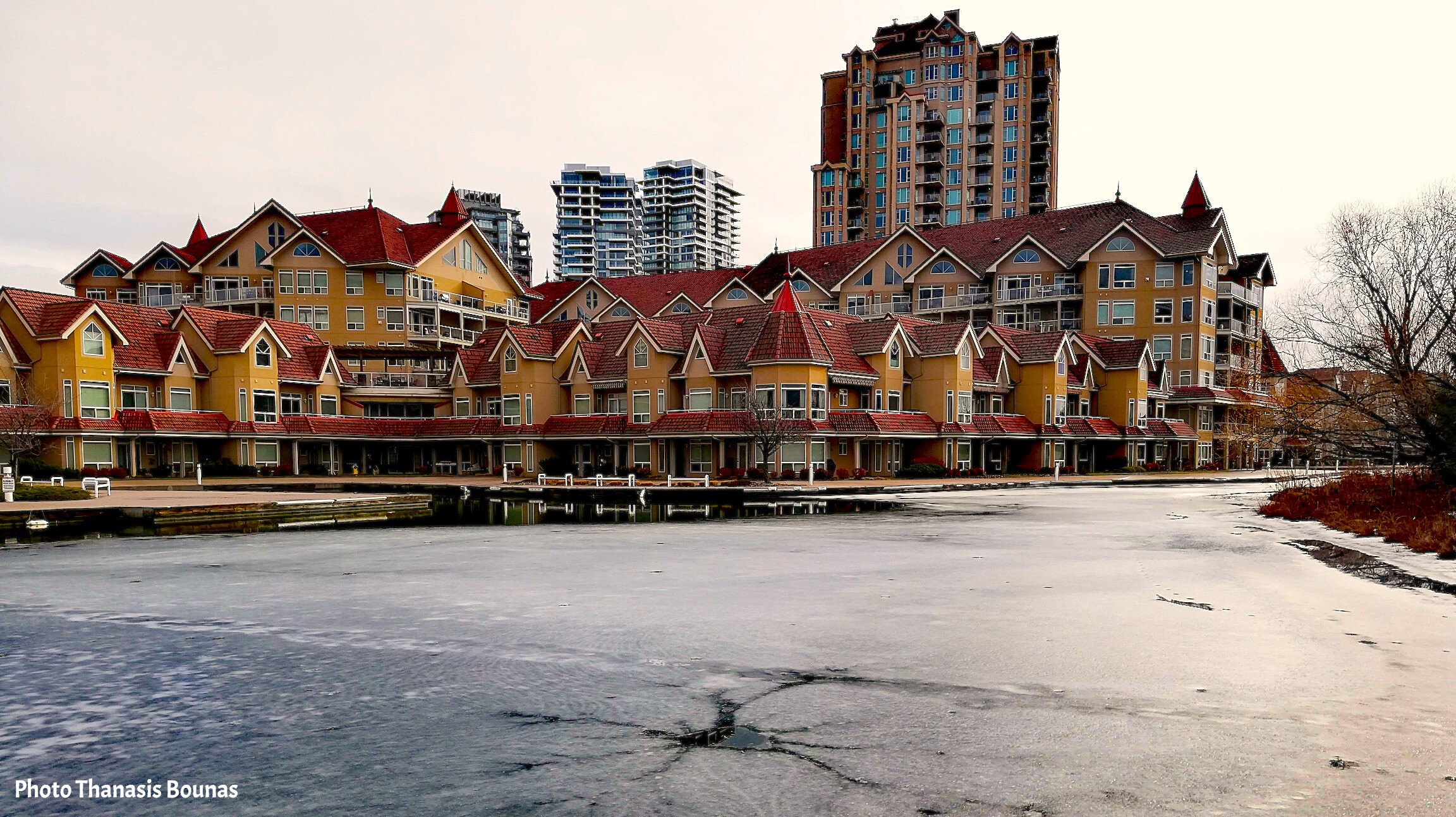
A Brief Look at the History
- Indigenous roots: Long before European settlement, the area was home to the Syilx/Okanagan First Nations. The name Kelowna comes from the Syilx language and means “female grizzly bear”.
- 19th century: By the mid-1800s, European fur traders and farmers had established themselves in the region, drawn by fertile soil and a mild climate.
- Agricultural growth: Orchards of apples, peaches, and cherries became the backbone of the local economy.
- 20th century: Kelowna experienced rapid growth through viticulture and wine production, with local wineries gaining international recognition.
- Today: Kelowna is one of British Columbia’s top tourist destinations, known for its wineries, cuisine, culture, and outdoor recreation.

Geographic Location
Kelowna is situated in the southeastern interior of British Columbia, at the heart of the Okanagan Valley.
- Coordinates: 49.8801° N, 119.4778° W
- Landscape: Surrounded by mountains and rolling hills, with Okanagan Lake as its centerpiece.
- Climate: Semi-arid, with warm summers and mild winters.
- Distances: Approximately 390 km east of Vancouver and 150 km north of the U.S. border.
Its location makes it an ideal base for exploring the Okanagan’s wine country and enjoying year-round outdoor activities.

Why You Should Visit
- Culture: Museums, galleries, and cultural festivals
- Nature: Hiking trails, lakefront beaches, water sports
- Wine & Cuisine: Over 40 wineries in the surrounding area
- Year-round activities: Skiing in winter, sailing and hiking in summer
Be the first to comment